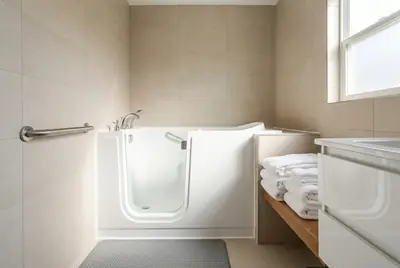
Walk-In Tub Installation

Walk-In Tub Installation in Deschutes County, Oregon (OR)

From every corner of Deschutes County, the climb over the tub wall gives way to a watertight door, a warm seat and a steady hand to hold.

One number reaches the people who fit the tubs. Say what the bathroom is like and we take it from there.

(855) 321-3261
  • The crew that covers your area takes the call
  • A home assessment and a written quote, both set up on the call
  • Nothing is decided until you decide it

Take your time on the phone. Who does the bathing, how they get around today, the size of the bathroom and the doorways on the way in: that is all we need to set a date for the visit.

Getting Safe Bathing Right In Your Home

Naturally, staying safe while enjoying a warm soak in your own bathroom is huge for keeping your independence at home. Honestly, tired bones and slippery porcelain surfaces do not mix well at all, which is why upgrading your bathroom layout makes total sense. Consequently, taking action today gives you total peace of mind every single time you want to relax without worrying about nasty slips or awkward steps.

Surprisingly, standard standard porcelain basins have crazy high walls that seem to get taller every year. Actually, lifting your feet over a two-foot ledge while balancing on wet tile is a recipe for a bad fall. Beyond that, adding a modern step-in bathing basin lets you simply swing the side door open and slide right onto a built-in seat. Furthermore, this smart layout switch keeps you fully in control of your daily routine without needing extra help from anyone else.

Obviously, every single house has a slightly different setup when it comes to plumbing pipes and floor space. Right away, having a skilled local installer come look at your layout guarantees that everything fits like a glove. For example, a custom fit avoids weird gaps where water can leak onto your subfloor and rot out your wood joists over time. Therefore, reaching out for a free project estimate right now helps you plan your dream setup without spent a single dime upfront.

Why Custom Bathing Upgrades Make Sense

To begin with, high-entry soaking tubs pose a real hazard for anybody dealing with stiff joints or balance issues. On top of that, standard fiberglass tubs lack built-in safety features like sturdy handrails or slip-resistant textured flooring. Instead, open-access soaking units come pre-equipped with heavy-duty metal grab bars locked directly into the frame. As a result, you get total stability while standing up or sitting down, keeping your daily splash completely stress-free.

In addition, water damage can completely ruin your home if a retrofitted basin is not sealed up tight. Specifically, professional handymen know how to level the unit properly so the inward-swinging door seals flush against the rubber gasket. Next, high-grade silicones and specialized drainage systems make sure that twenty gallons of warm water stay where they belong. Plus, high-capacity quick-drain valves completely dump all the water in under two minutes so you do not sit around shivering while waiting to exit.

Furthermore, these upgraded units add serious long-term value to your residential property down the road. Unquestionably, buyers everywhere actively look for homes with accessible main-floor bathrooms built for aging in place safely. While standard remodels cost a fortune and take weeks, modern accessible basin conversions are remarkably fast to put together. What is more, you can pick custom options like hydrotherapy jets, heated backrests and air massage bubblers for maximum body pampering.

Traditional Soaking Setup Upgraded Easy-Access Basin
High side walls require balancing on one leg Low step-in threshold under four inches tall
Slippery flat floor with no support grips Textured floor patterns plus rigid stainless steel grab bars
Slow drain times leave you sitting in cooling water Dual fast-drain systems clear water rapidly for clean exits

Choosing The Right Accessible Soaking System

Immediately, you will notice that entry-door soaking units come in a few distinct shapes and sizes. Moreover, out-swinging doors offer maximum room inside the stall, while in-swinging doors work best for smaller, tighter bathrooms. To help you compare these option features, here is a quick breakdown of what fits different room layouts and personal needs.

  • Inward-Swinging Door Basins: These compact units use internal water pressure to keep the seal leak-free, making them perfect for standard tight footprints.
  • Outward-Swinging Door Basins: Great for folks using mobility devices since the entrance door folds completely out of the way for smooth side transfers.
  • Deep Hydrotherapy Soakers: Equipped with targeted water jets that massage tired lower back muscles and sore legs while you soak comfortably.
  • Slide-In Accessibility Models: Features a chair-height wide bench that lets you sit down outside the basin first then swing your legs inside safely.

Equally important, picking the wrong size can block your bathroom door or prevent your vanity drawers from opening up all the way. Realistically, taking precise tape measurements of your doorway widths and plumbing locations prevents costly mid-project head-scratchers. Hence, having a local pro evaluate your space ensures you pick a model that hooks up to your existing pipes smoothly. On top of that, expert contractors make sure your water heater has enough capacity to fill a larger soaking chamber quickly.

Understanding Installation Logistics And Costs

Initially, people assume putting in a low-threshold entry tub means tearing down every single wall in the entire bathroom. Actually, smart installers can pull out your old alcove setup and fit the new step-in unit right in the exact same footprint. Naturally, keeping your original drain lines and water pipes reduces mess and keeps labor hours down considerably. So, you get a beautiful, functional accessible wash station without living in a noisy dust zone for a month.

To give you an idea of local demography, central Oregon region covers massive stretches of high desert terrain, housing around 200,000 residents across vibrant communities. On average, regional households bring home a median household income of roughly $74,000 yearly, meaning smart home investments must deliver real value over time. Whether your property sits in standard ZIP codes like 97701, 97702, 97703, 97707, 97739, or 97756, localized service teams reach your front door quickly. Consequently, local knowledge matters when pulling local plumbing permits or complying with regional residential building codes.

Project Phase Typical Work Steps Involved Main Benefit To Homeowner
Initial Site Assessment Measuring doorways, inspecting drain stacks, checking hot water heater size Prevents surprise costs and guarantees a perfect physical fit
Old Basin Removal Disconnecting old lines, hauling out heavy iron or acrylic tubs safely Saves your back and keeps your living space clean and damage-free
Plumbing & Electrical Hookup Upgrading valves, installing GFCI outlets for internal pumps and jets Ensures full operational safety and reliable water heating
Final Sealing & Testing Leveling base, running water tests, applying mold-resistant silicone seals Guarantees a totally leak-free setup with zero risk of water rot

Granted, some home improvements are easy weekend DIY tasks like painting walls or swapping out cabinet knobs. However, wiring a dedicated electrical line for hydro-massage pumps and sealing high-volume water containment units demands serious professional expertise. Honestly, a simple leak behind your drywall can build up hidden mold fast and rot out your subfloor before you even smell it. Therefore, leaving the complex heavy lifting to licensed local crews guarantees your project stays totally stress-free and waterproof.

Custom Features For Maximum Physical Relief

Surprisingly, basic water immersion does wonders for soothing tight muscles and helping sore joints feel much lighter. Besides, upgrading to an easy-access hydrotherapy basin lets you enjoy deep target air jets that knead out back stiffness. Meanwhile, built-in heated seating surfaces keep your upper body warm while the basin fills up with hot water. Thus, your daily bath transforms from a scary chore into a relaxing spa experience right inside your own home.

Additionally, fine details like easy-touch push controls make operating water jets painless even if you suffer from arthritis in your fingers. Similarly, extendable handheld showerheads allow you to wash your hair easily without leaning over or standing up on wet surfaces. Because safety is key, built-in anti-scald mixing valves automatically balance water temperature so hot surges never startle you while soaking. Truly, every single added feature works together to build a safe, delightfully peaceful bathing routine tailored just for you.

Furthermore, keeping your modern step-in basin sparkling clean is way easier than scrubbing standard old fiberglass units. Typically, these advanced soaking tubs use non-porous gel-coat or acrylic shells that naturally resist soap scum build-up and dark mildew. Which means, you spend way less time bent over scrubbing floors and way more time sitting back and enjoying your day. Eventually, you will wonder why you waited so long to make this smart, safe investment in your everyday wellbeing.

Get Your Free Project Estimate Today

Right now, taking that first step toward a safer home layout is completely easy and risk-free. By contacting a reliable local specialist, you get personalized guidance tailored directly to your home budget and bathroom dimensions. Furthermore, your free estimate breaks down every detail clearly so you know exactly what to expect without any high-pressure sales pitch. So, do not wait for an accidental slip to force a sudden stressful bathroom overhaul down the road.

Ultimately, keeping your personal dignity and staying comfortably in the neighborhood you love is what truly matters most. Consequently, investing in a low-step soaking conversion gives you total independence every morning and evening. Today is the absolute best time to talk with friendly local pros who treat your house with the care it deserves. Simply request your 100% free quote right now to discover how affordable and hassle-free your custom safety bathroom conversion can be.

The door, the seal, the drain: how a walk-in tub works

Three ideas carry the whole invention. Once they make sense, the rest of this page is just detail.

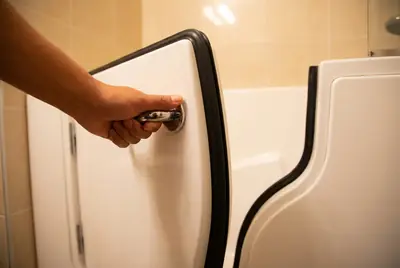
The inward opening door of a walk-in tub

A door that opens inward

You open the door, walk in on a dry floor, sit down and close it. Only then does the water run. Because the door swings into the tub, the water itself presses it against its seal: the fuller the tub, the tighter it holds. The design cannot forget to be shut properly.

A threshold about four inches high

An ordinary bathtub asks you to swing a leg over a wall some fifteen inches tall, on wet tile, usually while holding nothing sturdier than a towel bar. A walk-in tub asks for a small step, about the height of a stair riser cut in half, with a grab bar placed exactly where your hand goes looking for one.

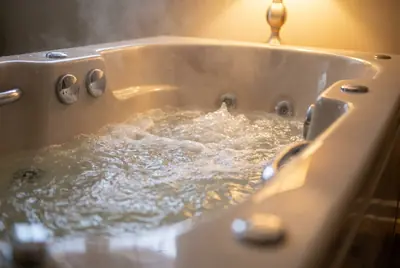
Hydrotherapy jets working inside a filled walk-in tub

A drain built to hurry

The honest cost of the sealed door is that you sit while the tub fills and while it empties. Makers answer with fast drains, often two of them, that send the water away in a couple of minutes, and with heated seats and warm air so those minutes pass kindly. We time both on your own plumbing at the assessment.

Tub or walk-in shower? A fair answer

We install walk-in tubs, so you might expect us to always recommend one. We will not. If you have not enjoyed a bath in twenty years, a walk-in shower may serve you better, and we will say so at your own sink. Here is the honest picture.

The questionWalk-in tubWalk-in shower
What bathing feels likeA full warm soak, jets if you want themA quick rinse, standing or on a bench
Time it asks of youLonger: fill, soak, drainMinutes, in and out
Floor space neededSits in the footprint of the old bathtubWants a little more open floor to work well
Budget, installedHigher, because the door and seal are precision workOften lower for a simple conversion
Sore joints and tired musclesWarm water and jets do real, daily good hereNo soak, so none of the soak's relief
Who tends to love itPeople who cherish their bath and mean to keep itPeople who shower quickly and want easy cleaning

The deciding question is usually the first row. If the answer to "do you miss your bath" is yes, the rest of the table tends to follow.

Six pieces of work, one quiet bathroom

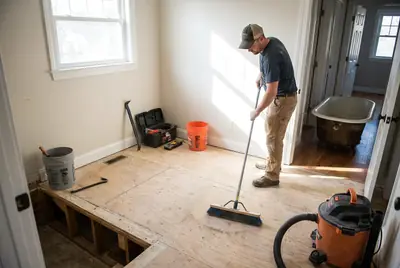
  • The old tub leaves first

    We cut it free, shield the floors along the hallway and carry it out gently. Most old bathtubs are gone from the house before lunch.

    The old tub leaves first
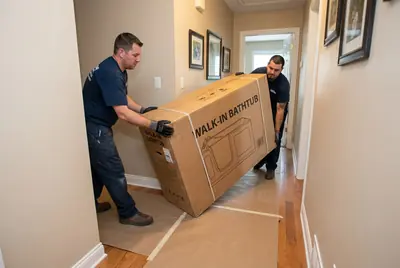
  • The new tub arrives whole

    Walk-in tubs are built to travel through ordinary doorways. Every door on the route gets measured at the assessment, so delivery day holds no surprises.

    The new tub arrives whole
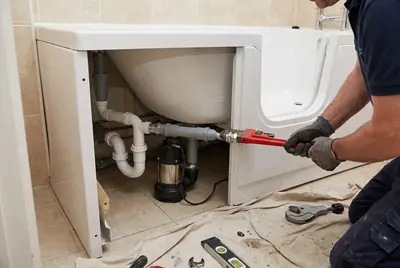
  • Water lines and the fast drain

    Your supply lines usually stay where they are. We fit the new valve, the hand shower and the quick drain, and check that your water heater can fill a proper soak.

    Water lines and the fast drain
  • The door, hung and sealed

    The door is the heart of the tub, so it gets the slow, careful hour: aligned, adjusted and closed on its seal until the gap reads even all the way around.

    The door, hung and sealed
  • Jets, warm air and controls

    When your tub has hydrotherapy, the pumps go in quiet, the lines are purged, and every control lands where a seated bather reaches it without leaning.

    Jets, warm air and controls
  • Walls, trim and the brimful test

    Panels and trim close the sides and the caulk lines are drawn clean. Then the tub is filled to the very brim once, and we watch the seal earn its keep.

    Walls, trim and the brimful test

Where the money for this actually comes from

We would rather tell you this before you fall in love with a tub. A walk-in tub is a home improvement, not medical equipment, and it is paid for out of the household budget the way a new roof or a rebuilt porch is. Anyone who tells you otherwise on a first phone call is selling harder than they are listening.

We make no claim about what any plan, programme or agency might do on your behalf, and we will not guess for them. Those questions belong to the people who administer them, and their answer is the only one that counts. Ask them directly, and ask before you commit to anything, including anything of ours.

What we can do is make the asking easy. Your quote arrives itemized, every line explained, so whoever needs to see it gets a precise document instead of a vague promise. That is the whole of what we control, and we would rather hand you that than a hopeful sentence about somebody else's money.

How it goes, from hello to first bath

  1. The call

    You tell us who bathes and how they get around, the rough size of the bathroom and how the tub would travel in. A few minutes on the phone, and a date for the visit.

  2. The visit

    We come to your home, measure the bathroom and every doorway on the route, and listen. No van full of tubs at the curb, no clipboard theatrics, no hurry.

  3. On paper

    A written quote follows, with each line explained in plain words: the tub, the work, the removal of the old one. Show it to your family. Sleep on it as long as you like.

  4. Fitting days

    One crew, one to three days. The old tub out, the new one plumbed, sealed and tested full. Your water is off for hours at a stretch, never for days.

  5. The first bath

    Before we leave, we go through the door, the seat, the drain and the controls with the person who will actually bathe, until every part of it feels ordinary.

What the work costs, in plain figures

The projectUsual bracketWhat sits inside it
Walk-in soaker tub, installed$4,000 - $8,000The tub, the door, removal of the old bathtub and the full fitting.
Hydrotherapy tub with jets$6,000 - $12,000Water jets, warm air or both, with the pumps and controls they need.
Bariatric or wide-door tub$7,000 - $14,000Wider seats and doors on a reinforced frame, sized at the assessment.
Removing the old bathtub alone$450 - $1,200Folded into the lines above; priced apart only if you stop there.
Dedicated electrical circuit$400 - $1,000Heated seats and pumps want their own breaker when the panel has no spare.
Walk-in tub and shower combo$8,000 - $15,000One unit that soaks and showers, for households that want both.

Your bathroom, your plumbing and the tub you choose set the final figure. That is exactly what the assessment is for.

Safety features that matter

The featureWhat it isWhy it counts
Low thresholdA step of about four inches into the tubThe climb over a bathtub wall is where most bathroom falls begin. Removing the climb removes the moment.
Seat at chair heightA molded seat near seventeen inches, like a dining chairSitting down and standing back up stay easy on knees and hips, with no lowering to the floor of a tub.
Grab bars where hands landFixed bars at the door and beside the seatBalance never has to depend on a towel bar that was only ever meant to hold towels.
Textured floor and seatSlip resistance molded into the tub surface itselfWet feet keep their grip without rubber mats that curl, slide and grow things.
Anti-scald valveA mixing valve that caps how hot water can arriveSkin grows thinner with the years. The valve keeps a hot surprise from ever reaching it.

Questions we answer at kitchen tables

Does the water rise quickly once I am seated?

You do sit in the tub while it fills, so the wait is real: usually a few minutes, depending on your water pressure and your heater. Many bathers spend it with the warm air running or the hand shower on their shoulders. At the assessment we run your own faucet and give you an honest minute count for your own bathroom, not a brochure number.

Will I sit in the cold while it drains?

The door only opens once the water is gone, so the drain matters. Fast drain systems empty most tubs in about two minutes, and heated seats and warm air keep the chill away while they do. We will tell you plainly which tubs drain fastest on your plumbing.

What happens if the door leaks?

The door seals the way a ship's hatch does: the water itself presses it shut, so a good seal gets tighter as the tub fills. Every tub we fit is filled to the brim and watched before we call the job finished, and the seal carries the maker's warranty. If it ever weeps, we come back, and the trip costs you nothing.

Will the tub fit through my bathroom door?

Nearly always, because walk-in tubs are designed to travel through ordinary hallways and door frames. We measure the whole route at the assessment, front porch to bathroom. If a doorway is genuinely too narrow, you hear it from us at your kitchen table, never on delivery day.

Can I arrange this for my mother or my father?

Yes, and it happens all the time. We can hold the assessment while you are there in person, on the phone or on a video call, and the written quote goes to whoever is helping with the decision. The walkthrough at the end is always done with the person who will actually bathe.

Does asking for a quote tie me to anything?

No. We measure, we listen, we leave a written price, and your house is your own again. Some families decide that week and some take a season. The figure holds as written, and nobody from our side will camp on your phone line.

The streets we drive around Deschutes County

Pan around for the terrain and the distances; the place lists at the bottom of this page name each community we can drive to from here.

Households we help across Deschutes County

County roads onward through Oregon

One sealed door between you and the bath you have been missing.

Call (855) 321-3261